 We’re going to the beach. Not the clean, iridescent shores of film scenes or sepia photographs, signifiers of a landscape that privilege the temporal over the spatial — it is always the childhood or the honeymoon that we beckon toward, and whether the sand in the picture belongs to Blackpool or New Jersey is mostly irrelevant — but the real beach. The sun is not shining. It rained a few hours ago, in fact, or is just about to, because there’s a dull kind of sadness in the air that lingers either side of the storm. To your left is a row of shops and cafés, closed on Sunday. To your right is a parking lot, asphalt grey in keeping with the weather, littered but otherwise empty. In front of you is the sea.
The sunless beach is a powerful image for the same reason that suicide rates spike at Christmas: from early childhood, we are inundated with words and pictures reinforcing the idea that happiness is something to be manually allocated, that weekends and holidays are the ecstatic reprieves that we deserve from our institutional labor, and that these times and places represent our best shot at real joy. When reality doesn’t match the picture, our first assumption is never that the picture needs fixing, but that our lives are out of sync. The map supersedes the territory. Like no other artist, Grouper’s Liz Harris seems to sing from these points of dislocation, lighting up lost or forgotten neural pathways like a lighthouse in the fog. In contrast to 2014’s colossal Ruins, Grid of Points feels relatively slight, though it remains incredibly spacious.
Continue reading at Tiny Mix Tapes

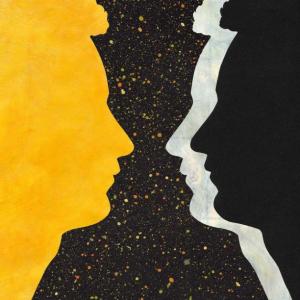 Perhaps you blinked and missed it, but Tom Misch is kind of a big deal these days, already scheduled into festival slots above the likes of Flying Lotus and Mavis Staples this summer. For his debut album ‘Geography’, the 22-year-old has roped in several guest appearances, and across the duration of an LP, it becomes abundantly clear why: like fellow producer-turned- guitarist Mark Ronson, no-one’s really paying to hear him jam out Stevie Wonder covers.
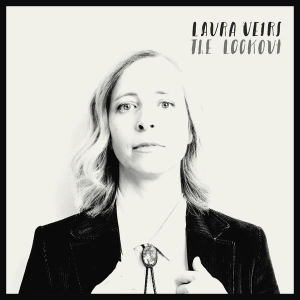 For all our literary devotion to sunlit afternoons and dark nights of the soul, real life rarely works in such easy contrasts. Our gold medal moments are flecked with sadness, swollen in purples and blues under the skin, and we scold ourselves for allowing the compromise: this should be the job, the house, the lover, the moment. “How can a child of the sun seem so cold?” Laura Veirs asks on her tenth album The Lookout, and though the line appears only once in allusion to the Colorado native’s childhood memories, it is the question that permeates the entire record.

 On a clear night — wide-eyed, gin-soaked, fists raised, starry-skied — the streets of towns and small cities take on their own blurry glamour. The shatter of glass after dark is a starting pistol here, spurred on by the sound of sirens and the faint taste of blood in the mouth, sprinting around corners and side streets. In the early years, at least, every Wild Beasts song seemed desperate to synthesize that juvenile adrenaline, crooning about exchanges that were sometimes brawling, sometimes lusty, often both. Last Night All My Dreams Came True is their attempt to distill 16 years and five albums into one loving retrospective, a “best of” collection where each song has been re-recorded in one final, go-for-broke session. For a band whose magic was almost entirely captured in those early scenes, it leans pretty hard on their late-career Junior Boys impression, but consistently lifts those tracks beyond their original pallor.
 There’s nothing accidental about the visceral associations of naming your record ‘Blood’. Like love, the word conjures both absolute vitality and the fear of losing it; when we envisage blood, it is usually spent in stains, drawn from a sullied life force. After extensively touring their widely adored debut ‘Woman’, it made sense that the next Rhye album would be informed by those live experiences. That album was defined by its intimate moments; something else that was susceptible to be lost.

